The way people deal with clothing has changed a lot over the past few years. Fast fashion made it easy to buy more, but it also created a side effect that is hard to ignore: too many clothes, too little usage, and a growing amount of waste. Most wardrobes today contain items that are rarely worn, sometimes not worn at all, yet still in very good condition.
Instead of treating these clothes as something to store or eventually throw away, more people are starting to see them as usable assets. Recycling clothing is no longer limited to industrial processes. In practical terms, the most effective way to recycle clothes is simply to reuse them by selling them to someone who will actually wear them. This is exactly where platforms like www.hedomy.net come in, offering a simple way to turn unused items into real value.
The scale of clothing waste is larger than most people expect. The fashion industry consumes significant resources, including water, energy, and raw materials, just to produce garments that are often used for a short period. When these items are discarded, they don’t disappear quickly. Many fabrics take years to break down, contributing to long-term environmental issues.
In markets like Egypt, this problem is visible at a household level. People tend to accumulate clothes over time, especially with seasonal buying habits and changing styles. The result is closets filled with items that are still usable but no longer needed. Keeping them stored does not add value, and throwing them away only adds to the waste cycle.
There is a practical alternative that sits between these two extremes. Instead of storing or discarding, clothes can be reintroduced into the market. This is where the idea of reuse becomes more powerful than traditional recycling. Reuse extends the life of the product without requiring additional resources. It reduces demand for new clothing and allows someone else to benefit from what is already available.
From a financial perspective, this approach makes even more sense. Most people underestimate how much value is sitting in their wardrobe. Items that are barely worn, branded pieces, or even everyday clothing can generate income when sold correctly. Rather than giving them away or letting them lose value over time, selling them allows you to recover part of what you originally spent.
Platforms like Hedomy simplify this process. The concept is straightforward: list your items, connect with buyers, and complete the transaction. There is no need for a physical store, no need for large investments, and no complicated setup. It is accessible to anyone who has clothes to sell.
The growth of online resale platforms is not random. It is driven by real changes in how people think and behave. Buyers today are more aware of sustainability, more conscious about spending, and more open to purchasing second-hand items as long as they are in good condition. At the same time, sellers are looking for ways to declutter and generate extra income.
This creates a balanced marketplace where both sides benefit. Buyers get access to affordable clothing, sometimes even branded items at lower prices. Sellers free up space and earn money from items they no longer use. The platform itself becomes a connector, facilitating a cycle that is both practical and efficient.
Hedomy is positioned well in this space because it focuses on local needs. It understands pricing expectations, user behavior, and the type of items that move quickly in the market. This local relevance is important because global platforms often miss these details. At the same time, the process remains simple. Listing an item does not require technical knowledge, and the interface is designed to be straightforward.
Selling effectively does require some attention to detail. The first step is choosing the right items. Clothes should be clean, in good condition, and still wearable in terms of style. Presentation also plays a major role. Clear photos taken in good lighting can make a significant difference. Buyers want to see exactly what they are getting, and better visuals build trust.
Pricing is another key factor. Setting a realistic price increases the chances of a quick sale. If the price is too high, buyers will ignore the listing. If it is too low, you lose potential value. The best approach is to position the price based on condition, brand (if applicable), and similar items in the market.
Descriptions should be simple but clear. Size, material, condition, and any noticeable details should be mentioned. Transparency reduces back-and-forth questions and makes buyers more confident in their decision. Being responsive also helps. Quick replies show that the seller is active and serious, which increases the likelihood of closing the deal.
Understanding the buyer mindset is useful here. Buyers are not only looking for low prices. They are looking for value. That could mean finding something unique, saving money on everyday clothing, or even participating in a more sustainable way of consuming fashion. When a listing communicates value clearly, it stands out.
On a larger scale, each transaction contributes to a broader impact. Every item sold instead of discarded reduces waste and lowers the demand for new production. While one sale may seem small, the cumulative effect across thousands of users becomes significant. This is how individual actions translate into real environmental benefits.
What starts as a simple decision to sell a few items can evolve into a habit. Regularly reviewing your wardrobe, selling what you no longer use, and making more intentional purchases creates a more efficient cycle. It changes the way you interact with clothing, shifting from accumulation to optimization.
There are, of course, small challenges along the way. Some items may take longer to sell. Pricing may require adjustment. Not every listing will attract immediate interest. These are normal parts of any marketplace. Over time, sellers learn what works, refine their approach, and improve their results.
The direction of the market is clear. Clothing resale is becoming a standard part of how people manage their wardrobes. It is no longer seen as an alternative option but as a practical and often preferred approach. As more users join platforms like Hedomy, the network effect increases, making it easier for both buyers and sellers to find what they need.
At its core, the idea is simple. Clothes should not be treated as disposable items. They carry value beyond their first use, and that value can be recovered, reused, and extended. Selling through www.hedomy.net provides a direct way to do that without complexity.
What might look like unused clothing is, in reality, an opportunity.



 Kids shoes
300,00 EGP
Kids shoes
300,00 EGP
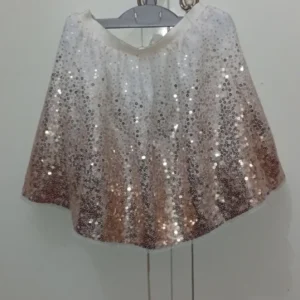 Tutu H&M Girl's Sequin Full Skirt Aged 6-8 Years
300,00 EGP
Tutu H&M Girl's Sequin Full Skirt Aged 6-8 Years
300,00 EGP